Gaining a grasp of essential sewing concepts is vital for anyone keen on designing clothing or decorative items for the home. Basic sewing lessons empower students with the knowledge and confidence to actualize their artistic aspirations. Whether you’re just starting out or seeking to enhance your sewing capabilities, these lessons create a strong base for your adventure in sewing. If you’re ready to kick off your journey, understanding the fundamental elements you need to know is crucial before plunging into this enjoyable hobby this website.
This piece will discuss the significance of basic sewing lessons, the topics covered, tips for finding ideal classes, and the financial implications. By equipping yourself with adequate information, you can ensure a successful beginning to your sewing projects.
Frequently asked questions
What are basic sewing lessons?
Basic sewing lessons teach essential sewing skills, focusing on operating sewing machines, understanding fabrics, and completing simple sewing projects.
How do I choose a basic sewing lessons provider?
Look for classes that align with your goals and interests. Check reviews, instructor qualifications, and course structures to find a suitable provider.
How much do basic sewing lessons cost?
Costs for basic sewing lessons can range from $30 to $100 per session, depending on location and the course provided. Be sure to consider potential material costs.
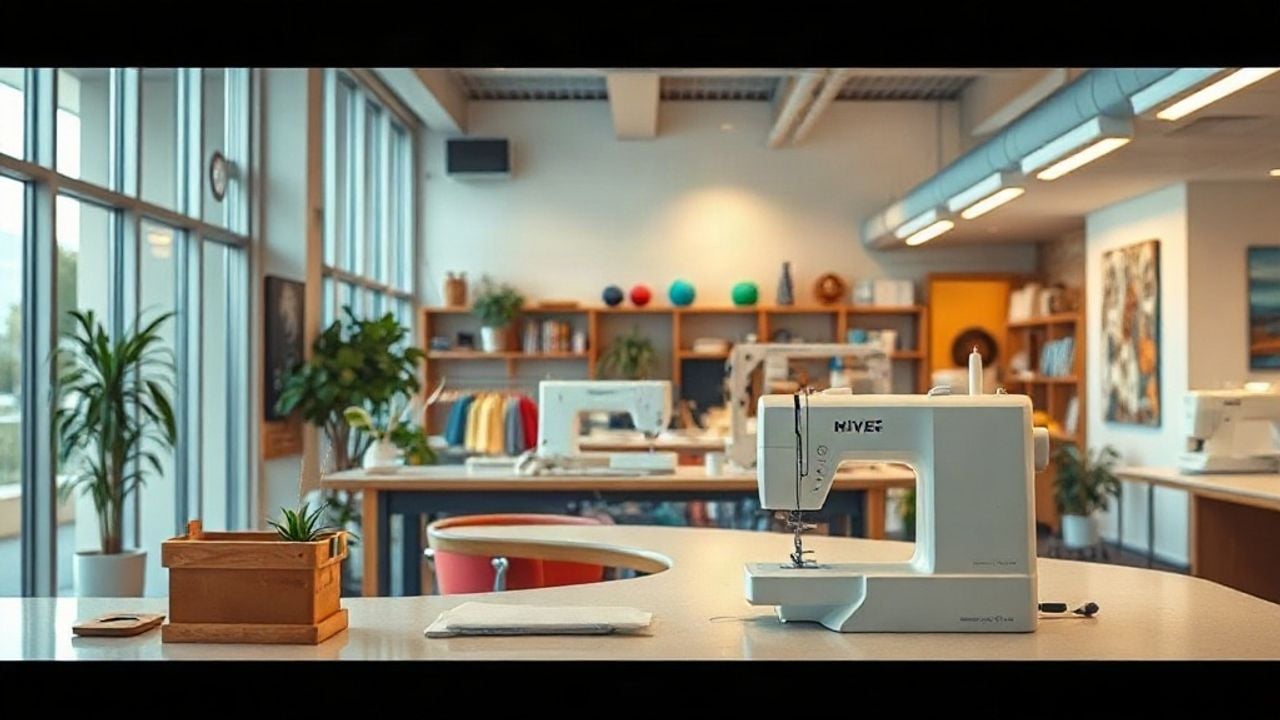 sewing basicssewing basics overview
Grasping the Essentials of Basic Sewing Lessons
At the heart of basic sewing lessons lies the core skills essential for effective sewing. These instructional sessions introduce learners to a variety of tools and materials while emphasizing safe and efficient sewing machine operation. During the lessons, participants will familiarize themselves with different fabric types, various stitching techniques, and essential terminology in the sewing world. Furthermore, these classes often incorporate simple, hands-on projects, providing an opportunity for students to put their newly acquired knowledge into practice. A well-organized course framework is designed to gradually build each student's confidence, leading them from fundamental techniques up to more sophisticated sewing endeavors.
Focus on Skills and Practical Projects
As they advance in their sewing journey, students will face more complex projects. This approach not only strengthens their sewing abilities but also encourages their creative expression. For example, beginners may start by creating essential items such as pillows or tote bags before progressing to more elaborate clothing designs and intricate home decor pieces. Practical experience is vital; thus, a solid sewing class places a strong emphasis on hands-on practice. Instructors are there to assist with common sewing problems, which is particularly beneficial for newcomers to the craft. Additionally, students are prompted to work together, fostering collaboration and support within a learning community.
Choosing the Right Sewing Course for You
The process of finding suitable sewing lessons can tremendously enhance your educational experience. To start, pinpoint your aspirations; are you interested in crafting clothing, quilts, or perhaps creative projects? This clarity will enable you to focus on classes that best match your preferences. You might explore searches like “sewing classes in my vicinity” or “beginner sewing courses nearby” to find local options. A variety of places, including sewing studios and community centers, offer basic classes. In addition to in-person options, pay attention to digital resources. Online sewing courses have surged in popularity, providing the convenience and flexibility to learn at your own pace. Platforms such as Skillshare and Udemy present courses covering a wide range of sewing techniques.
Moreover, it’s advantageous to investigate reviews and seek recommendations. Looking into “sewing machine reviews” or student testimonials about specific classes can greatly influence your decision-making. Many local sewing schools and studios feature social media pages that showcase results from previous classes, which can serve as a useful guide when selecting your ideal sewing course.
The Cost of Sewing Lessons
When considering sewing courses, understanding the associated costs is vital. Prices can vary widely depending on location, instructor experience, and the duration of the course. On average, you might find that basic sewing classes could range from $30 to $100 per session, with multi-session workshops often priced at a discount. If you’re looking for options, “sewing classes near me for adults” or “children's sewing classes near me” can lead you to various pricing structures suited for different age groups and expertise levels.
Additionally, invest time in comparing costs for materials, as some courses include fabric and tools, while others may require students to supply their own. Knowing the full investment required can help you plan accordingly. For those on a budget, many community centers and local craft stores offer beginner classes at lower rates or even free introductory sessions, making sewing more accessible.
For further knowledge, refer to the comprehensive guide on sewing to deepen your understanding of this craft.
Helpful Tips for Successful Learning
Keep an open mind and be patient with yourself. Sewing takes practice, and mistakes are part of the learning process. Celebrate small victories!
- Start with simple projects before tackling more complex ones.
- Invest in a good quality sewing machine that suits your needs.
- Take notes during lessons for easy reference later.
- Build relationships with fellow students for support and encouragement.
- Experiment with different fabrics and techniques to expand your skills.
Engaging in basic sewing lessons is a fulfilling way to express creativity while acquiring practical skills. By exploring various learning options and investing time in practice, anyone can develop their sewing abilities. As you gain confidence, you’ll find yourself tackling more intricate projects and embracing the world of sewing.
Whether you’re sewing for pleasure or aiming to create items for sale, building a solid foundation through quality lessons is the first step towards a successful sewing journey.